
Why noise control doesn’t seem to prevent noise complaints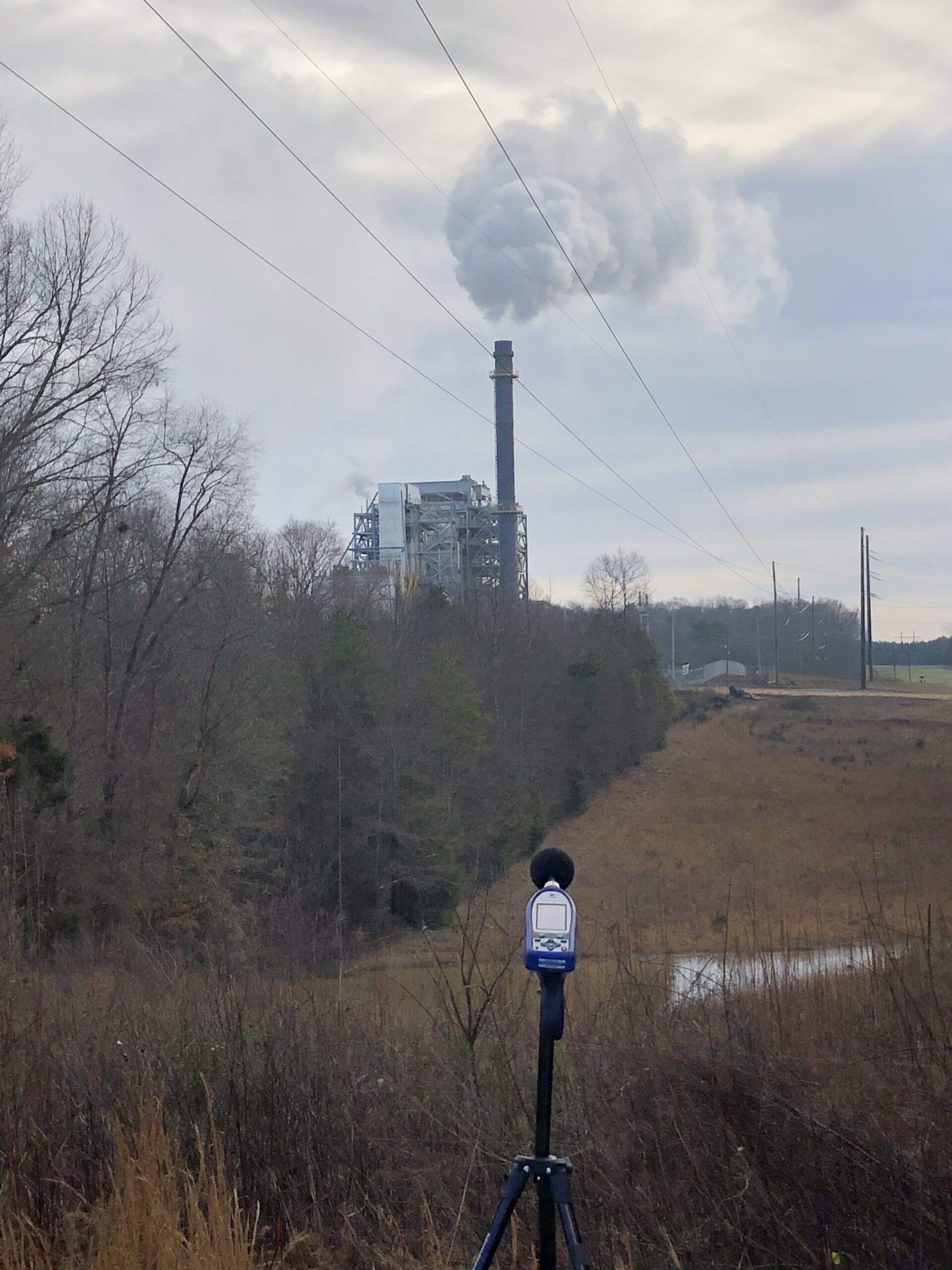
Noise control engineering addresses the physics of noise generation at the source and travel to the destination, transmission into a nearby dwelling, and the soft science of likely impact on its residents. It’s a well-established engineering field.
So why are “surprise” noise problems still common?
Pop science can be misleading
Acoustics in the public sphere has one serious challenge: hearing is a common experience.
People tend to mistake their familiarity with sound for an accurate understanding of the science behind it. In fact, our hearing defies physics, and perception is a complex phenomenon. Because it’s “just” sound, DIY self-education and well-intended amateur explanations don’t raise eyebrows as they would in other disciplines. Professional credentials for noise control exist but are not well known; it’s not always clear who is actually qualified to give advice. So it’s not surprising that myths, misunderstandings, and wishful thinking abound, and serious problems get baked in early.
How might this manifest itself?
- Industry might design to a lenient noise target, then be surprised when residents in an adjacent neighborhood complain of excessive noise.
- A municipality might copy-paste an existing “simple” noise Ordinance, then be surprised when it doesn’t meet their actual needs or is so technically ambiguous as to be unenforceable.
- Advocates for quiet communities might research online and develop demands (or accept “solutions”) unknowingly based on spurious information. They can then be surprised when their demands are deemed unrealistic, leaving them at the mercy of other interests, or when the “solution” doesn’t deliver as promised.
- When a professional is finally asked for advice (usually too late to help) and contradicts expectations, each of these three groups (sometimes all three at once) might view the professional as insulting their intelligence or being secretly in league with their opponents. The embarrassment or liability of having to climb down from mistaken assertions shouldn’t be underestimated either.
Reality rules, like it or not
Noise control engineering can be applied in initial facility design, to develop recommendations for a retrofit, or to evaluate responsibility in the event of a dispute. Of course, it’s only reliable and effective to the extent that it is:
- technically correct,
- scientifically defensible, and
- dispassionately applied.
Generally the first team to embrace this scientific approach has the best chance of winning a dispute. If all interests embrace it, everyone wins. If it’s not embraced, that’s gambling, not engineering.
The results are not always easy to define:
- Local weather and time of day strongly affect propagation into the community. Yes, it’s almost always worse at night.
- Meaningful sound level measurements can be devilishly difficult to perform, even for professionals.
- Sound level meters are enormously complex devices and can kick out multiple decibel readings simultaneously. The highest or lowest number among them are seldom the most relevant.
- Simple metrics like A- and C-weighting don’t always capture all of the factors affecting annoyance.
- Annoyance estimates apply to larger populations under general circumstances – individual reactions are also subject to things like hearing acuity, personal preference, and the associations that arise.
- The brain assigns every sound a meaning. No two brains are required, or are likely, to agree. Once the sound clears the fence onto the property of another, it’s too late to influence (or protest) the reaction.
What to do
Acoustics is not intuitive. Even university-trained engineers (the majority of Nelson Acoustics’ clients) have seldom received any training in noise control. Don’t hesitate to seek out accurate information from credible sources and/or retain professional assistance. Don’t be intimidated if it costs money or time: if it were easy and intuitive, noise problems would mostly take care of themselves and you wouldn’t be reading this.
Nelson Acoustics provides online training through its Noise Control Master Class series emphasizing insight, using simple concepts and math no more complicated than logarithms. If you have other questions related to training, feel free to Contact Us
This training is appropriate for:
- facility design teams looking to “succeed” on the first go and to manage expectations
- municipality representatives looking to understand their options as well as all the alphabet soup of acoustic terminology
- advocates for quiet communities who want to set achievable and effective goals
- engineering professionals who want to know what the standards and guidelines really say, and what’s coming over the horizon from new research
- industrial hygienists wanting to graduate from documenting problems to solving them
- engineers preparing for a career change into the exciting world of acoustics
- legal teams preparing for arbitration or litigation who need to cut through the static and be able to explain in plain terms.
Copyright 2026 Nelson Acoustics